
Exotic Animal Welfare Protocols
Species-specific welfare standards for exotic and sensitive species — from small mammals and birds to aquatic species, quarantine, and enriched feeding.

Exotic Small Mammal Welfare Protocols
Exotic small mammals, including ferrets, rabbits, guinea pigs, chinchillas, hamsters, rats, and domestic mice, have highly specific physiological, behavioral, and emotional needs that are often underestimated in both clinical settings and daily care environments. This protocol promotes a more advanced approach to small mammal welfare based on stress reduction, environmental adaptation, species-specific management, and respect…
Read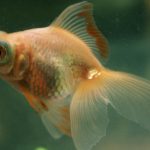
Ornamental Fish Welfare Protocols
The welfare of ornamental fish remains one of the least developed areas within animal protection, despite the high physiological sensitivity of many aquatic species. This protocol promotes an approach based on environmental stability, stress reduction, and the maintenance of water parameters compatible with the specific biological needs of each species. Key recommendations include maintaining stable…
Read
Ferret Welfare Protocols
Ferrets have complex behavioral, exploratory, and social needs that require advanced management to preserve their physical and emotional welfare. This protocol recommends routines that support daily exploration, safe physical activity, cognitive enrichment, and appropriate human interaction while avoiding prolonged confinement or isolation. Key recommendations include providing safe play and exploration areas, manipulable objects, tunnels, hiding…
Read
Rabbit Welfare Protocols
Domestic rabbits require specific environmental, social, digestive, and behavioral conditions that are often not adequately met in domestic, commercial, or clinical settings. This protocol promotes rabbit care models based on freedom of movement, fear reduction, environmental enrichment, and respect for the natural behavior of the species. Key recommendations include avoiding permanent housing in small cages,…
Read
Psittacine Bird Welfare Protocols
Psittacine birds, including parrots, macaws, cockatoos, and related species, present high levels of intelligence, social complexity, and emotional sensitivity. They are especially vulnerable to boredom, social isolation, insufficient stimulation, and inadequate environmental management. This protocol promotes husbandry models aimed at preserving psychological stability, social welfare, and behavioral health. Key recommendations include appropriate social interaction, daily…
Read
Amphibian Welfare Protocols
Amphibians are extremely sensitive to environmental alterations, water quality, humidity, temperature, and physiological stress caused by inappropriate handling or incorrect husbandry parameters. This protocol recommends minimizing physical manipulation and maintaining highly stable, species-specific environmental conditions. Key recommendations include carefully controlling humidity, temperature, water quality, substrate safety, ventilation, and exposure to potential chemical irritants. Inappropriate lighting,…
Read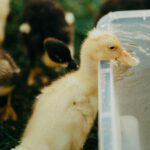
Quarantine & Adaptation Protocols for Exotic Animals
Introduction, quarantine, and adaptation are particularly sensitive phases for many exotic animals. This protocol recommends progressive adaptation periods in calm, environmentally controlled settings, minimizing unnecessary handling, abrupt changes, and premature exposure to other animals or intense stimuli. Key recommendations include monitoring feeding behavior, activity levels, body condition, stress signs, hydration, elimination patterns, and environmental interaction…
ReadTransport Welfare Protocols for Fish & Exotic Animals
Transport of exotic and aquatic species requires particularly careful planning in order to minimize mortality, physiological stress, dehydration, thermal instability, and environmental shock. This protocol recommends limiting transport duration, maintaining appropriate temperature and oxygenation, reducing vibration, and preventing sudden movements during travel. Transport containers should be species-appropriate, secure, and designed to minimize visual overstimulation and…
ReadWelfare Protocols for Laboratory Rodents Rehomed as Companion Animals
Many rats and mice kept as companion animals, including those rehomed from laboratory environments, have complex emotional and cognitive needs that have historically been underestimated. This protocol promotes enriched environments that support social interaction, exploratory behavior, nesting, foraging, and cognitive stimulation. Key recommendations include avoiding social isolation in naturally social species, providing three-dimensional structures, tunnels,…
Read
Nocturnal Animal Welfare Protocols
Many exotic species have nocturnal or crepuscular habits that must be respected during husbandry, clinical management, and human interaction. This protocol recommends adapting lighting, handling schedules, feeding routines, and clinical procedures to minimize disruption of natural biological rhythms. Key recommendations include avoiding repeated handling during physiological rest periods, reducing exposure to intense light in light-sensitive…
Read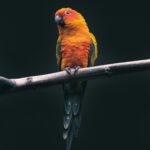
Public Exposure Stress Reduction Protocols
Many exotic animals kept in pet stores, exhibitions, educational centers, or public facilities are subjected to continuous visual exposure to people, noise, movement, and intense stimuli. This protocol recommends incorporating visual refuges, hiding areas, and scheduled rest periods without constant public exposure. Key recommendations include limiting direct handling by the public, reducing visual overstimulation, controlling…
ReadEnriched Feeding Protocols for Exotic Animals
Feeding is not only a physiological requirement, but also a powerful tool for environmental enrichment in many exotic species. This protocol recommends feeding methods that allow animals to express natural behaviors such as searching, manipulating, foraging, hunting simulation, grazing, or selective exploration. Key recommendations include varying food presentation formats, incorporating safe feeding enrichment, avoiding excessively…
ReadLow-Stress Veterinary Handling Protocols for Exotic Animals
Many exotic animals show intense stress responses to clinical environments, restraint, and veterinary manipulation. This protocol recommends reducing examination time, minimizing prolonged restraint, and adapting clinical techniques to the natural behavior and stress sensitivity of each species. Key recommendations include preparing all clinical materials in advance, performing procedures efficiently, using species-appropriate restraint methods, and allowing…
ReadWelfare Protocols for Sensitive Aquatic Species
Some aquatic species are especially sensitive to environmental changes, lighting, water quality, vibration, population density, and human interaction. This protocol promotes reducing sudden parameter changes, minimizing manipulation, and supporting visually stable environments compatible with the natural biology of each species. Key recommendations include stable water parameters, appropriate filtration, compatible tank mates, adequate hiding areas, and…
ReadEmotional & Behavioral Assessment Protocols for Exotic Animals
Early identification of emotional and behavioral alterations remains one of the major challenges in exotic animal medicine and welfare. This protocol recommends regular observation aimed at detecting changes in activity, appetite, posture, environmental interaction, exploratory behavior, social behavior, hiding patterns, and response to handling. Because many exotic species mask signs of distress or illness, subtle…
ReadCertify your organisation against these standards
ECWE accreditation distinguishes institutions that implement advanced welfare protocols in daily practice.